The only way out is through
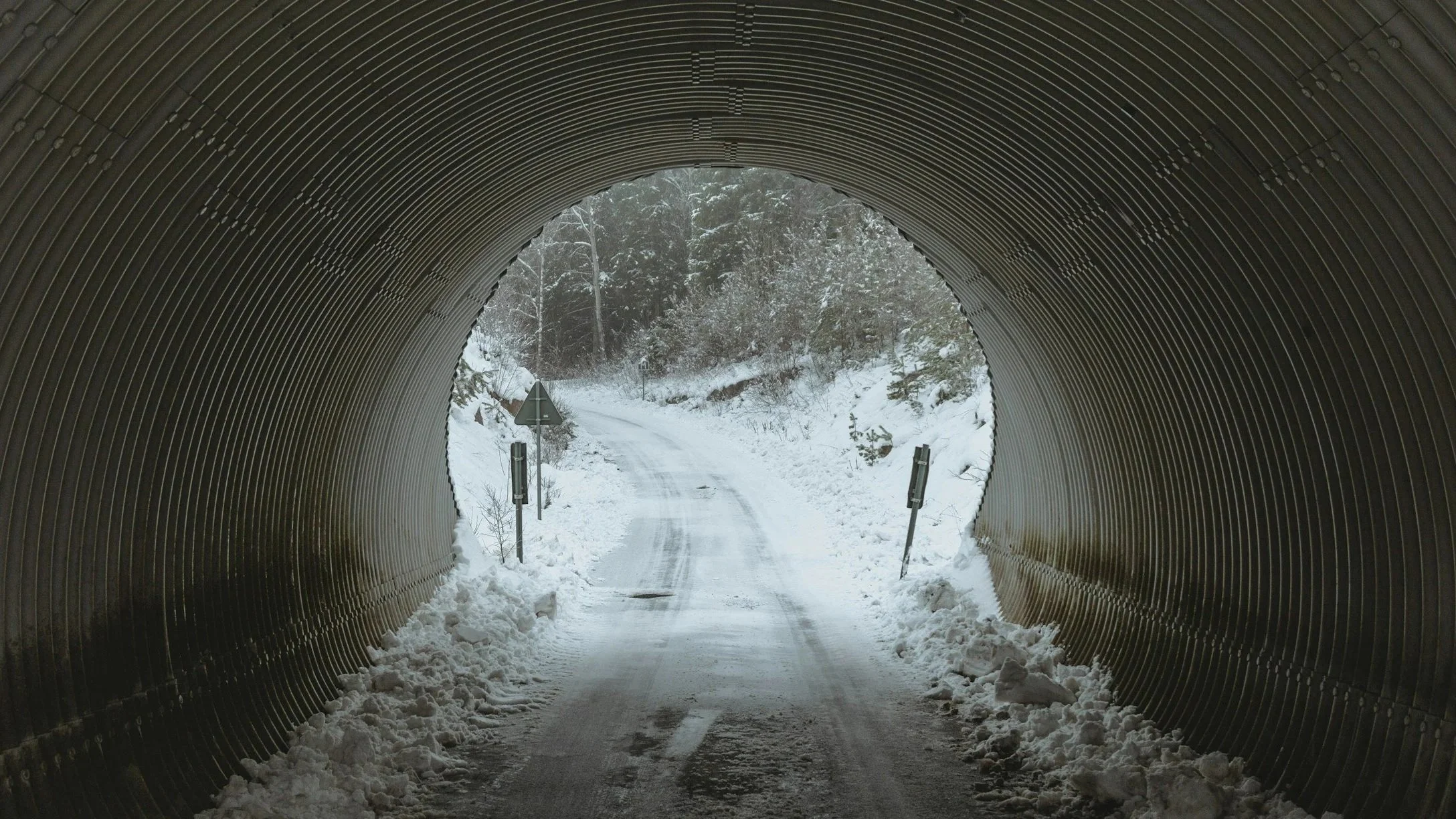
January has been a real beat-down. We’ve seen record snow and cold, horrible news, and lots of disconnection around us on so many levels. Several people I know are hurt or in the hospital. It seems like nothing is the way it’s supposed to be right now. Most people I have talked with lately are saying the same kinds of things. How long IS January, anyway?
So what’s your approach to making progress on your work during unsettled times? These days I have been meeting with Harvard LL.M. students who are working on the big paper they have to write to finish their degrees this spring. It is interesting to see the range of approaches. Some seem more focused than ever: the world is on fire, but I am excited about my paper! It is a great sign when work can be a productive place to channel our energy. Others are more in the camp of worrying that their work doesn’t matter: who cares about legal research right now? For those students I try to help them see the scope of their work, the impact they can have, and why the paper matters to them, even if it doesn’t feel so significant right now. And of course you may realize that you need to change course. You may discover on your journey that you really aren’t that excited about your topic and you need to shift in some way. But you won’t know that unless you keep working through it. It’s all part of the process: writing, questioning, refining, writing more. The only way out is through! The question is, what can help you keep moving forward with your work?
Start small. For me, making a list and checking one thing off feels like progress, which builds forward momentum, which leads to more progress. Baby steps are best; you can’t do it all at once. Give yourself credit for the little things. And once you get going, you will feel better!
Take care of yourself. Practice behaviors that help you feel strong. For me that means getting my exercise. Get yourself on a healthy routine and stick with it, and make sure doing things you love and resting are part of the routine. One student told me she would make the weekend days her writing days, since she was worried she wouldn’t have time to write during the week when she had class obligations. I suggested she block even short periods of time each day to write. She will definitely find time to write on the weekends, but that’s also a time when you want and need a break, so putting all that pressure on weekend writing time could add more stress.
Be present for others. Though it may seem counterintuitive (and isn’t always true), giving energy to others can help you feel more energized. Having students who want my advice and kids who depend on me helps keep me going more than anything else. Volunteering or finding small ways to contribute to your community are great ways to get out of your head and keep your work in perspective. Remember that you matter beyond your accomplishments. Call a friend if you need a reminder.
Find a partner or connect with a writing community. Look for an accountability partner or a small group with similar goals with whom you can share your struggles and achievements. You are not alone.
Do you want a thought partner as you plan a project, or help making a plan to accomplish your goals this term? I am always here and eager to help!
